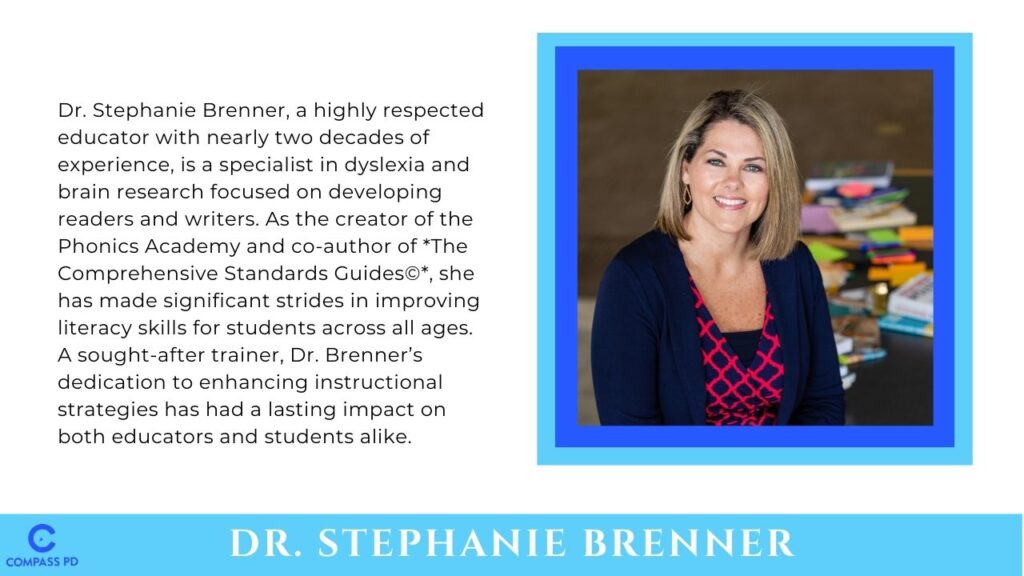

By Dr. Stephanie Brenner The first bell of a new school year rings, and somewhere a brand-new teacher takes a deep breath and dives headfirst into the whirlwind of routines, names, lesson plans, and locating that ever-elusive copier. For many new teachers, those first weeks can feel like trying to drink from a firehose while juggling flaming torches.
According to Ingersoll and Strong, (2011), 40-50% of new teachers leave the profession within their first five years, often due to a lack of meaningful support. Enter the instructional coach — a steady hand amid the chaos, offering guidance that can help new teachers move from surviving to thriving. For years, research on the best practices of professional learning consistently indicates that job-embedded professional learning is one of the most effective strategies (Learning Forward, 2022). Coaching is one form of job-embedded professional learning. When coaching is added to professional learning, implementation of new practices can skyrocket from 10% to 95% (Joyce & Showers, 2002).
But how do coaches offer that support in a way that is both practical and empowering? Here are four research and evidence-based strategies that set new teachers up for success in those critical first weeks.
Plant the Seeds of Trust
Trust is the foundation of every successful coaching relationship (Aguilar, 2013; Knight, 2016). Without it, even the most well-intentioned feedback can feel like evaluation instead of support. One of the clearest ways to build trust is to be transparent about confidentiality. Teachers need to know conversations will stay between you and them unless harm is being done to students or staff members or laws are being broken. This creates psychological safety and encourages vulnerability— key components of a coaching relationship.
Frequent personal and professional check-ins also show you care. These don’t have to be long or formal. A quick word of encouragement right before or after a lesson, a follow-up after a challenging meeting, or even a simple, “How are you doing today?” can go a long way. The key is sincerity.
When you’re talking with new teachers, ask open-ended questions that invite them to share their thoughts while you focus on listening. Questions like, “What part of today felt the most successful?” or “What challenges are on your mind right now?” help teachers process their experiences while giving you valuable insight into their needs.
Coaching Tip: Think of trust as a bank account. Every sincere check-in, open-ended question, and promise kept is a deposit that you can draw on later when hard conversations arise.
Support When and Where It’s Needed Most
When supporting new teachers, it’s tempting to share everything you know about lesson planning, classroom management, assessment, differentiation — the list goes on. Michael Bungay Stanier (2016) warns against becoming the “advice monster” who is quick to offer all your stories, your tips, and your way of doing things. Instead, slow down, listen more, and meet teachers where they are.
As the coach, be prepared with an outline of what you expect to need to focus on over the first few weeks of school. For example,
Week 1: Establishing routines and classroom management
Week 2–3: Lesson planning, structure, and pacing
Week 4: Instructional strategies and differentiation
Week 5: Data: collecting, reporting, and usage
However, don’t view your expected outline as a rigid schedule. Coaching expert Steve Barkley emphasizes “just-in-time support”. This occurs when coaches are flexible and allow the teacher to help determine priorities. Coaching is most powerful when teachers feel ownership of the process and when long term goals and strategies are introduced gradually, preventing them from being overwhelmed (2018).
Coaching Tip: Say to the teacher, “I mentioned possible discussion items, and you mentioned several things you have questions about. Out of all those things, what’s feeling most urgent to you right now?” This keeps their needs and your agenda in mind when determining your focus.
Model the Way Forward
Modeling a lesson provides teachers with a clear, concrete picture of instruction expectations. When new teachers see a strategy in action, they’re more likely to replicate it effectively (Knight, 2016). As the coach, keep modeling realistic — don’t create a Pinterest-perfect performance. If it feels unattainable, it can discourage rather than inspire. A great way to keep modeling authentic is to plan the lesson in about 10 minutes, ideally with the teacher watching as you think aloud. This ensures the content and approach are relevant to their context while modeling effective, quick, and practical planning.
Also, don’t wait to start modeling. It might feel natural to give teachers space to “get to know their kids” first, but the first few days are when routines and procedures are being established. Often, that’s where new teachers need support the most. Start modeling on day one to help new teachers set the tone and expectations that lead to success right away.
Coaching Tip: Use the gradual release model with new teachers: I do it, we do it, you do it. Start by modeling, then co-teach, and finally observe as the teacher takes the lead.
Notice the Good Stuff
Early in the year, victories can feel few and far between. That’s why genuine, specific compliments are essential. Don’t just say, “Great job today.” Instead, name what you saw and why it matters. For example,
“I noticed you paused to greet each student by name this morning. That connection sets a positive tone for the day for both you and the student! It’s great that you know all of your students by name already!”
“Your class transitioned to independent work 30 seconds faster than yesterday! That shows your instruction of routines is clear and consistent! It’s clicking because of you!”
At the start of the year, compliment even the tiny, often-overlooked successes. Maybe a student remembered to grab materials without a reminder, the teacher remembered to take attendance before the office called, or they found where to access the agenda for a team meeting. These small wins build confidence and reinforce good habits.
Coaching Tip: Look for things the teacher might not even realize they’re doing well. Pointing it out encourages them to keep doing it consistently.
From Surviving to Thriving
The first weeks of school can make or break a teacher’s year. When coaches focus on trust, personalized support, realistic modeling, and celebrating growth, they create a foundation where new teachers can thrive.
As Learning Forward’s Standards for Professional Learning remind us, effective coaching isn’t just about teacher growth. It’s also about improving outcomes for every student. That starts with showing new teachers they don’t have to face the whirlwind alone. Because sometimes, the most powerful thing a coach can do is stand beside a new teacher, quietly whispering, “You’ve got this.”
References
Aguilar, E. (2013). The art of coaching: Effective strategies for school transformation. Jossey-Bass.
Barkley, S. (2018). Quality teaching in a culture of coaching. Learning Forward.
Bungay Stanier, M. (2016). The coaching habit: Say less, ask more & change the way you lead forever. Box of Crayons Press.
Ingersoll, R., & Strong, M. (2011). The impact of induction and mentoring programs for beginning teachers: A critical review of the research. Review of Educational Research, 81(2), 201–233. https://doi.org/10.3102/0034654311403323
Joyce, B., & Showers, B. (2002). Student achievement through staff development (3rd ed.). ASCD.
Knight, J. (2016). The impact cycle: What instructional coaches should do to foster powerful improvements in teaching. Corwin.
Learning Forward. (2011). Standards for professional learning. Learning Forward.
Sweeney, D. (2018). Student-centered coaching: The moves. Corwin.