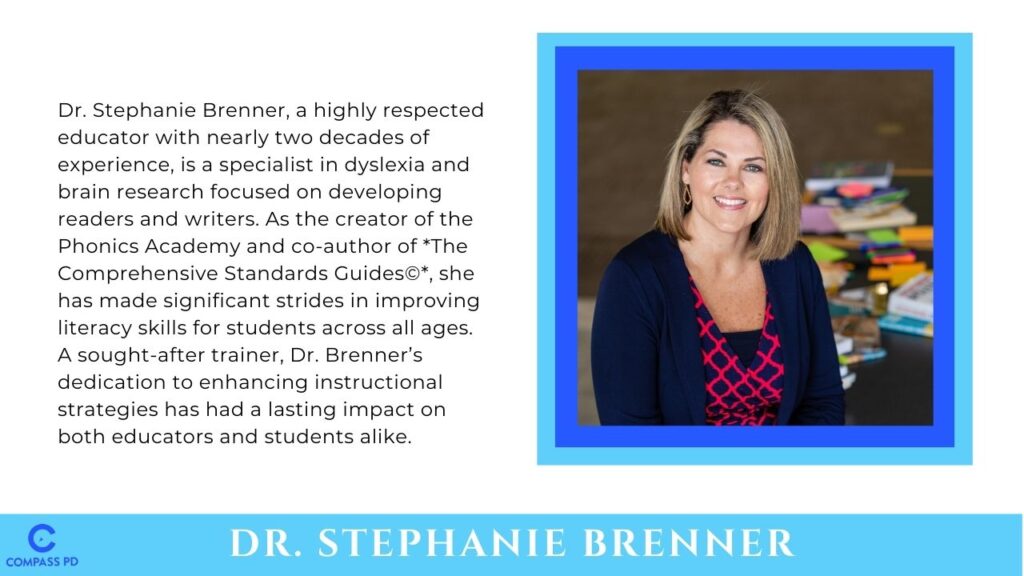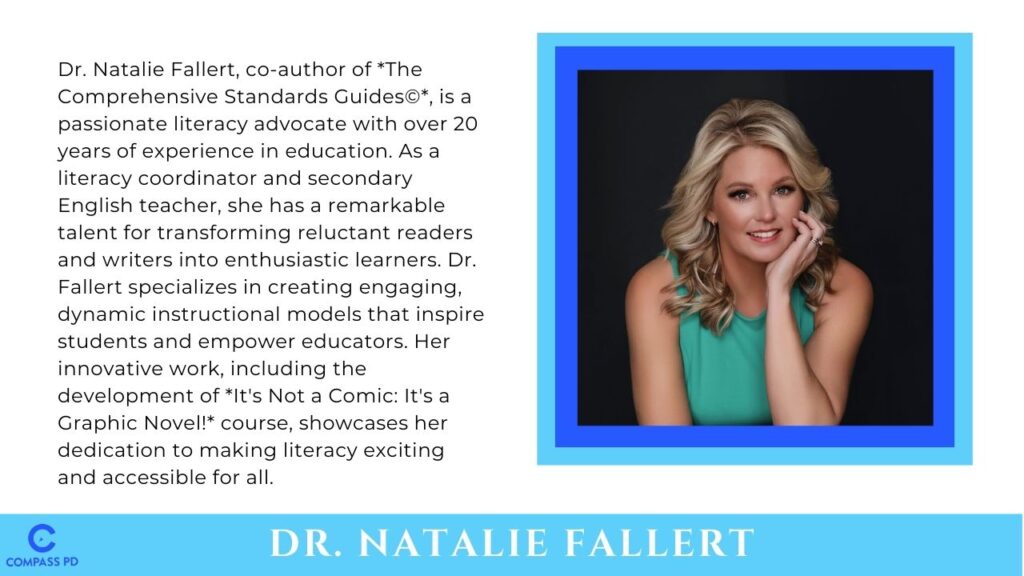

By Dr. Stephanie Brenner and Dr. Natalie Fallert
The Iowa Reading Research Center Summit brought together educators, researchers, and school leaders committed to improving literacy outcomes through evidence-based instruction. Across keynote presentations from Dr. Tim Shanahan, Dr. Matthew Burns, and Dr. Jessica Toste, breakout sessions, and conversations with educators from across the region, a common theme emerged: awareness of reading research continues to grow, but translating that knowledge into consistent instructional practice remains a significant challenge.
Many districts have invested considerable time and resources in understanding concepts such as the Simple View of Reading, Scarborough's Reading Rope, and the findings of the National Reading Panel. While these frameworks have helped establish a stronger foundation for literacy instruction, summit discussions highlighted an important reality- knowing the research is not the same as implementing it well.
As we reflected on the learning from the summit, several instructional takeaways and district-level considerations surfaced repeatedly. These ideas represent both the progress being made in literacy education and the opportunities that remain as schools continue to strengthen reading and writing instruction for all students.
Instructional Takeaways
Secondary Teachers Need More Guidance on Science of Reading Implementation
Much of the Science of Reading conversation has focused on elementary classrooms. As a result, many middle and high school educators continue to ask an important question: What does implementation actually look like at the secondary level?
Secondary teachers need practical examples of how foundational literacy skills, language comprehension, vocabulary development, and disciplinary literacy intersect within their content areas. Moving forward, schools and districts will need to provide clearer guidance and examples that help secondary educators translate research into instructional practice.
Small Group Instruction Remains a Significant Need
As districts adopt high-quality instructional materials (HQIM), many teachers are discovering that traditional schedules for intervention and small-group instruction no longer fit easily within the instructional day. Yet the need for differentiated instruction has not disappeared.
Teachers continue to seek guidance on how to use assessment information to form responsive groups, provide targeted support, and maintain alignment with grade-level instruction. The challenge is no longer whether small groups should occur, but how to implement them effectively within evolving instructional models.
Assessment Should Inform Placement Within Instructional Progressions
Several sessions reinforced the importance of using data to identify where students are within a learning progression rather than simply assigning instruction based on grade-level expectations.
Effective instruction begins by identifying the knowledge and skills students have already mastered and determining the next instructional target. This requires educators to avoid reteaching content students already know while also being willing to move further back in a progression when assessment data and student response indicate foundational gaps that must be addressed.
Oral Language Deserves Greater Attention
Oral language emerged repeatedly as an essential yet often underemphasized component of literacy development.
Strong oral language supports vocabulary growth, comprehension, writing development, and overall academic achievement. While many literacy initiatives emphasize decoding and foundational skills, educators may need to devote additional attention to structured opportunities for discussion, academic language development, and purposeful language instruction across grade levels, including secondary.
Knowing the Research and Applying the Research Are Different Things
Educator awareness of key literacy frameworks has increased significantly. Concepts such as the Simple View of Reading, Scarborough's Reading Rope, and the National Reading Panel's findings are now common topics in professional learning and literacy conversations.
However, summit discussions highlighted an important distinction: understanding the research does not automatically lead to effective instructional decisions. Strong teacher knowledge remains essential, but educators also need support in translating that knowledge into classroom practice. The goal is not for students to learn about reading science; the goal is for teachers to use reading science to make instructional decisions that improve student outcomes.
Writing Must Be Part of the Literacy Conversation
One of the most noticeable gaps throughout literacy discussions remains the limited attention given to writing instruction.
Reading and writing are deeply interconnected processes, yet writing is often addressed separately from broader literacy initiatives. As schools continue strengthening reading instruction, equal consideration should be given to how writing is taught, assessed, and integrated into daily classroom experiences.
Considerations for District Leaders
Across the summit, one message was especially clear: instructional improvement cannot occur in isolation. Sustainable literacy growth requires aligned systems that support implementation, monitoring, and continuous improvement. As district leaders consider their next steps, several questions emerged repeatedly throughout keynote presentations, breakout sessions, and conversations with educators.
Are we helping teachers move from understanding the research to applying it?
Awareness of the Science of Reading continues to grow. Educators are increasingly familiar with the catch phrases associated with SOR. Yet familiarity does not always translate into effective instructional decision-making.
Districts should consider how professional learning moves beyond introducing research to helping teachers apply that knowledge when planning instruction, analyzing student performance, selecting interventions, and responding to student needs. This question becomes even more important in secondary settings, where teachers often receive less guidance about what Science of Reading implementation looks like within content-area classrooms.
Do our instructional systems help teachers teach students where they are?
Several sessions reinforced the importance of using assessment data to identify where students are within a learning progression and providing instruction from that point forward.
This requires systems that help teachers determine what students already know, identify the next most important learning target, and adjust instruction based on student response. It also requires the willingness to revisit earlier skills when assessment and instructional evidence suggest unfinished learning. Responsive small-group instruction remains an important part of this work, even as districts adopt high-quality instructional materials that may provide less dedicated time for intervention and targeted support.
Are reading, writing, and oral language receiving equitable attention?
While much of the current literacy conversation focuses on reading instruction, the summit highlighted the need for stronger attention to writing and oral language development.
Reading, writing, speaking, and listening are interconnected processes that support literacy growth. Districts should consider whether their professional learning, instructional materials, and assessment systems provide sufficient attention to all aspects of literacy development rather than focusing primarily on reading achievement.
Are our systems aligned to support implementation?
Effective literacy instruction depends on more than individual teacher expertise. Assessment systems, instructional materials, intervention structures, professional learning, coaching, and leadership practices must work together toward common goals.
Districts that achieve lasting improvement are often those that create coherent systems for implementation, monitor instructional effectiveness, and use student data to drive adjustments over time. When these systems operate independently, even strong instructional practices can struggle to produce consistent results.
The future of literacy improvement will depend not only on what educators know about reading research, but on how effectively districts create the conditions necessary for that research to become classroom practice. The work ahead is not simply about adopting new initiatives and resources. It is about building coherent systems that allow effective instruction to thrive.
About the Authors